Three-Generation Secrets to Construction of New Home Builds
The modern housing market in Central Illinois is currently obsessed with fast-casual construction of new homes that look stunning in a filtered photo but start to reveal structural fatigue before the first mortgage cycle is over. Most buyers are lured in by quartz countertops and trendy paint colors, only to discover six months later that their floors have a literal bounce or their cooling bills are draining their savings. It is a frustrating cycle where new doesn't always mean better, and speed is often a mask for cutting corners. You deserve a property that doesn't just meet the bare minimum of the local building code but exceeds it by a mile. This isn't about nostalgia; it is about the cold, hard physics of a house that stays square and dry for seventy years. The following breakdown peels back the drywall to show you exactly how a legacy-minded build keeps your investment from leaning.
Foundations Engineered for Illinois Clay
Building on the prairie isn't the same as building on a sandy coast or a rocky mountain; the construction of new home footings here must battle high-expansion clay and aggressive frost lines. If your builder treats the ground like a static surface, your basement is eventually going to resemble a swimming pool. We look at the soil as a living element that breathes and shifts, requiring a specific drainage strategy that directs water far away from your sanctuary. A thick-pour foundation isn't just a slab of concrete; it is the anchor that prevents the Peoria Lean often seen in rushed developments. This technical foresight is the primary differentiator between a house that settles gracefully and new construction homes for sale that develop hairline fractures in the first winter.
The Structural Logic of Stick-Framing
While the national giants have pivoted to pre-fabricated wall panels and light-duty trusses to pad their margins, the construction of new home skeletons should still be done by hand. There is a massive mechanical advantage to measuring, cutting, and nailing every stud on-site, where the builder can account for the slight variations in the lot. When you use real dimensional lumber rather than compressed scrap wood, you are creating a frame that can actually absorb the vibration of a passing truck or a heavy thunderstorm. It is the difference between a house that feels like a solid vault and one that feels like a hollow box.
Vertical Freedom and Attic Utility
Standard roof trusses are the enemies of storage, effectively killing any chance of using your attic for anything other than insulation. By hand-cutting rafters for the construction of new home projects, we open up a massive volume of bonus space that costs almost nothing to include during the initial frame. This creates a natural thermal buffer that keeps your living areas cooler and gives you a footprint that grows with your family.
Precision Load Distribution
A hand-framed house allows for a more analytical approach to how weight travels from the roof down to the dirt. In the construction of new home designs, we can double-up headers and reinforce corners in a way that factory machines simply won't do. This level of over-engineering ensures that your windows won't stick and your crown molding won't pop off the wall when the house experiences its first deep freeze.
Designing for the Thirty-Year Horizon
A truly smart floor plan doesn't just fit your life today; it predicts where you will be in three decades. The construction of new home layouts should focus on invisible accessibility features that make life easier without making the house look like a clinical facility. This means prioritizing wider hallways and zero-step entries that are just as useful for a stroller as they are for a wheelchair. It is about removing the barriers before they ever become a problem, ensuring your home remains a sanctuary regardless of your physical mobility.
Extra-wide 36-inch interior doors that make moving furniture and people an absolute breeze.
Main-level primary suites that turn the second floor into an optional space rather than a daily requirement.
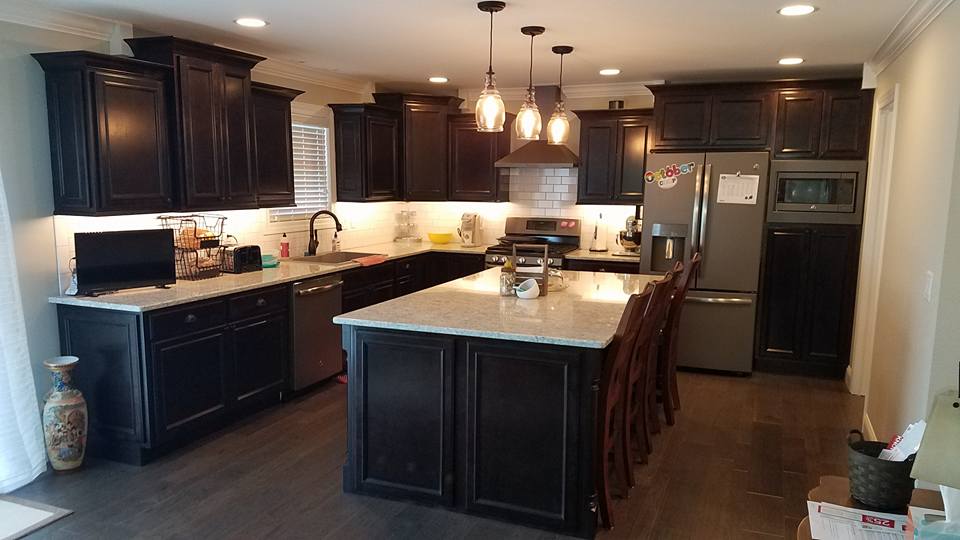
Kitchen islands with varied heights to accommodate everyone from the grandkids to the grandparents.
Curbless showers that provide a clean look today and a trip-free environment for the future.
When you bake these technical details into the construction of new home plans from the start, you aren't just building a house; you are securing your independence. Most new construction homes for sale in the $400k+ range still ignore these basics, forcing owners into expensive retrofits later. We believe in getting the bones right the first time, so you never have to move again.
Thermal Mass and High-Performance Shells
According to 2025 energy audits from the Department of Energy, homes built with traditional heavy-timber framing and modern sealing techniques can reduce HVAC cycling by nearly 30%. The construction of new home envelopes in Central Illinois needs to be airtight but breathable to prevent mold while trapping expensive heat. By using higher-density wood and advanced insulation baffles, we create a thermal mass that holds its temperature far longer than a thin-walled modular build. This isn't just a green talking point; it is a direct reduction in your monthly overhead that pays for itself within the first few years of occupancy.
Engineered Airflow Systems
A house that is too tight can become stagnant, which is why the construction of new home ventilation is just as critical as the insulation itself. We design "passive" pathways for air to move through the home, reducing the load on your furnace and keeping the air fresh. This technical balance is something you won't find in a "cookie-cutter" neighborhood where one HVAC size is forced to fit every house.
Acoustic Dampening and Privacy
Thicker walls and real wood framing don't just hold the roof up; they act as a high-end sound barrier. When you are looking at new construction homes for sale, walk into the center of the house and listen if you can hear a car door shut outside; the framing is too thin. Our builds provide a library-like quiet that makes a home office or a nursery actually functional.
The Local Heritage Multiplier
Navigating the red tape of local municipalities is where most out-of-town builders stumble, leading to months of delays and surprise permit costs. The construction of new home projects in the Peoria area requires a builder who knows the specific quirks of every local inspector and utility provider. Having seventy years of skin in the game means we don't guess about the rules; we helped write the standards for quality in this region. This deep-rooted knowledge ensures your build stays on schedule and avoids the legal headaches that plague less experienced contractors.
Final Thoughts
Building a legacy is a slow, deliberate process that requires a refusal to compromise on the parts of the house that no one sees. We’ve watched the trends in new-home construction come and go, but the physics of a solid build never change. Investing in a property built board-by-board is the only way to guarantee that your forever home lasts forever. Every nail we drive and every foundation we pour is a testament to the idea that some things should still be built the right way, much like professionals who work with P&W Builders.
The window for the 2026 building season is narrowing, and the most prime lots in our exclusive subdivisions won't stay vacant through the summer. If you wait until the ground thaws to start your planning, you’re already behind the curve and risking a mid-winter move-in. The construction of new home requires a head start to ensure your family isn't left settling for a pre-built compromise.
Reach out to P&W Builders now to claim your spot on our production calendar and start building the foundation your family deserves.
Frequently Asked Questions (FAQs)
1. Is the construction of new home projects more expensive when using hand-framing?
While the labor is more intensive, it actually saves money by creating more usable space and reducing long-term maintenance.
2. Do you have new construction homes for sale that are ready for immediate move-in?
We often have a selection of specs in progress, but our focus is on custom builds that match your specific lifestyle.
3. How does the construction of new home ventilation systems improve indoor air quality?
We use engineered airflow paths that allow the house to "breathe" without losing your heated or cooled air to the outside.
4. What makes a foundation in Peoria different from the construction of new home bases in other states?
Our foundations are specifically designed to handle the high clay expansion and deep frost lines unique to Central Illinois.
5. Why is the construction of new home framing the most important part of the build?
The frame is the skeleton of the house; if it is weak or poorly aligned, every other finish, from flooring to cabinets, will eventually fail.